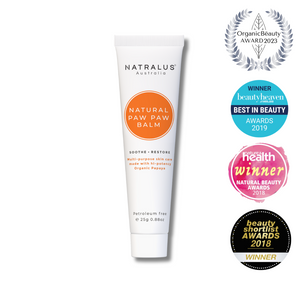


If you've noticed the bright tubes of paw paw balm lining Australian pharmacy shelves, you're not alone. Paw paw balm has become a household staple for families seeking gentle, multipurpose skincare. But with so many options available, how do you choose a balm that actually delivers?
The difference comes down to what's inside the tube. Specifically, the concentration of papaya, the quality of companion ingredients, and whether the formulation meets pharmaceutical-grade standards.
What Makes a Good-Quality Paw Paw Balm?
Not all paw paw balms are created equal.
Papaya Concentration and Form
Quality begins with papaya content. Look for balms with a verifiable concentration of 83mg per gram or higher. Many mass-market balms contain as little as 39mg per gram, which significantly limits their effectiveness.
Fermented papaya extract is preferable to fresh papaya because fermentation concentrates the fruit's natural nutrients and enzymes, making them more readily available to your skin. When comparing products, check the label for specific papaya content rather than relying on marketing claims alone.
Natural Ingredients and Certifications
The best paw paw balms are free from petroleum jelly, parabens, artificial fragrances, synthetic dyes, and sulphates. Premium formulations pair papaya with natural companion ingredients like shea butter, calendula, and vitamin E.
Look for GMP (Good Manufacturing Practice) and ISO9001 certification, which ensure consistent quality and safety. TGA registration indicates compliance with Australian therapeutic goods standards. Organic certification confirms that papaya was grown without synthetic pesticides.
Comparing Paw Paw Balms Available in Australia
To help you make an informed decision, here's how major Australian paw paw balm brands compare based on publicly available information:
| Brands | Papaya Concentration | Papaya Form | Base Type | Key Additional Ingredients | Certifications |
| Natralus | 83mg/g | Fermented organic papaya | Petroleum-free | Shea butter, coconut oil, calendula, cocoa butter, vitamin E | GMP + ISO9001 certified, Certified organic |
| Lucas' Papaw | 39mg/g | Fresh fermented fruit | Pharmaceutical-grade petroleum jelly | Potassium sorbate (preservative) | TGA registered (AUST L 13397), GMP compliant |
| Suvana Beauty | Not disclosed | Organic papaya fruit extract | Petroleum-free (castor seed oil base) | Organic honey, jojoba oil, vanilla | Certified organic (OFC 0820) |
| Healthy Care | Not disclosed | Papaya seed oil | Beeswax base | Natural emollients | No petrochemicals, no parabens |
Note: This comparison reflects publicly disclosed information as of February 2026. Papaya concentration is one factor among many that contribute to product effectiveness.
As you can see, there's significant variation in papaya concentration, base ingredients, and certifications across brands.
Why Paw Paw Is Beneficial for Skin and Lips
Paw paw (Carica papaya) is a tropical fruit rich in natural enzymes, vitamins, and protective compounds. Unlike petroleum-based balms that simply seal moisture on the surface, paw paw contains active ingredients that work gently to support and nourish your skin.
The key active ingredient is papain, a natural enzyme that gently supports your skin's natural renewal process, helping to remove dead skin cells and maintain smooth, healthy skin. This gentle exfoliation is particularly valuable for lips, where buildup can cause flakiness.
Paw paw contains vitamins A, C, E, and B complex. These nutrients nourish your skin at the cellular level rather than merely creating a surface barrier. Vitamin A supports skin renewal. Vitamin C aids in maintaining brightness. Vitamin E protects from environmental stress while providing moisturization.
Paw paw's natural anti-inflammatory properties help calm the feel of irritation without harsh ingredients. This makes quality paw paw balms suitable for sensitive skin types and minor dry patches.
Who Can Use Paw Paw Balm and How?
Paw paw balm can be used across different age groups when formulated with appropriate ingredients and introduced carefully.
Age Considerations
Babies' skin is still developing, with less oil production and higher water loss. When choosing paw paw balm for babies, look for formulations specifically designed for delicate skin, and always patch test first.
For children and adults, paw paw balm can be applied to dry patches, chapped lips, elbows, heels, and hands. Quality formulations are non-comedogenic and won't clog pores.
How to Use It
Apply paw paw balm to clean, slightly damp skin after bathing. A pea-sized amount typically covers larger areas. Use it as needed on dry areas, chapped lips, or anywhere you need moisture barrier support.
Patch Test First
Before full application (especially for babies or anyone with known sensitivities), conduct a patch test. Apply a small amount behind the ear or on the inner wrist. Wait 24 to 48 hours and watch for any redness, irritation, or itching. If unexpected irritation develops, stop use and consult your pharmacist or healthcare provider.
What to Look For When Choosing
When comparing paw paw balms in Australian pharmacies, prioritise these factors:
Concentration: Check for 83mg per gram or higher. This ensures meaningful amounts of active enzymes and vitamins.
Processing: Fermented papaya extract offers enhanced potency compared to fresh papaya.
Ingredients: Papaya should appear near the top of the ingredient list. Premium formulations pair papaya with natural companion ingredients rather than synthetic fillers.
Base preference: Consider whether you prefer petroleum-free formulations. While pharmaceutical-grade petroleum jelly is safe, some families prefer plant-based alternatives.
Certifications: GMP and ISO9001 certification indicate pharmaceutical-grade manufacturing. TGA registration confirms compliance with Australian standards. Organic certification confirms ingredient quality.
The Honest Take
Paw paw balm offers genuine value for Australian families seeking natural, multipurpose skincare. But quality varies significantly between brands.
Higher papaya concentration delivers more active enzymes and vitamins. Fermented papaya extract provides enhanced potency. Pharmaceutical-grade manufacturing standards ensure consistent quality and safety. Natural companion ingredients offer additional benefits beyond basic moisture sealing.
For families committed to natural skincare backed by evidence and pharmaceutical expertise, formulations with high papaya concentration (83mg/g), organic certification, and GMP + ISO9001 standards represent the best investment. One quality product that works effectively across multiple uses and age groups delivers genuine value.
If you're seeking a natural alternative backed by pharmaceutical expertise, Natralus Organic Paw Paw Balm offers the highest papaya concentration available in Australia, paired with natural companion ingredients and full pharmaceutical-grade certification.
Your family's skin deserves care rooted in both nature and science. Choose wisely.
For educational purposes only. Consult your pharmacist or healthcare provider before introducing any new skincare product, particularly if you have diagnosed skin conditions, allergies, or sensitivities.
Disclosure: This article was written to provide educational information about paw paw balm products available in Australia. Multiple brands are mentioned for comparison purposes based on publicly available information.
References
-
Park S, Sun K, Kim Y, et al. The Anti-Inflammatory and Skin Barrier Function Recovery Effects of Carica papaya Peel in Mice with Contact Dermatitis. Int J Mol Sci. 2025;26(22):11122. https://pmc.ncbi.nlm.nih.gov/articles/PMC12653787
-
Kong YR, Goh NK, Ky H, et al. Beneficial Role of Carica papaya Extracts and Fermented Papaya Preparation in Diabetes and Its Complications. J Ethnopharmacol. 2021;238:114088. https://pmc.ncbi.nlm.nih.gov/articles/PMC8066973
-
Cosmetic Ingredient Review (CIR) Expert Panel. Safety Assessment of Carica papaya (Papaya)-Derived Ingredients. 2021. https://www.cir-safety.org/sites/default/files/papaya032021FR.pdf
-
Kim HM, Kang YM, Lee M, et al. Papain Suppresses Atopic Skin Inflammation through Anti-Inflammatory Activities Using In Vitro and In Vivo Models. Antioxidants (Basel). 2024;13(8):928. https://pmc.ncbi.nlm.nih.gov/articles/PMC11351312
-
Santana LF, Inada AC, Espirito Santo BLS, et al. Nutraceutical Potential of Carica papaya in Metabolic Syndrome. Nutrients. 2019;11(7):1608. https://pmc.ncbi.nlm.nih.gov/articles/PMC6682863
-
Venetikidou M, Lykartsi E, Adamantidi T, et al. Proteolytic Enzyme Activities of Bromelain, Ficin, and Papain from Fruit By-Products and Potential Applications in Sustainable and Functional Cosmetics for Skincare. Applied Sciences. 2025;15(5):2637. https://www.mdpi.com/2076-3417/15/5/2637
-
Lucas' Papaw Remedies. Our Ingredients. https://lucaspapaw.com.au/pages/our-ingredients
-
Natralus. Natural Paw Paw Balm. https://natralus.com.au/products/natralus-natural-paw-paw-balm
-
Natralus. Paw Paw Ointments - Nature's answer. https://natralus.com.au/blogs/news/paw-paw-ointments-natures-answer
-
TGA. Lucas' Papaw Ointment (13397). https://www.tga.gov.au/resources/artg/13397
-
Dermal Therapy. What are the benefits of pawpaw lip balm. 2025. https://dermaltherapy.com.au/article/what-are-the-benefits-of-pawpaw-lip-balm/