

Parents in baby eczema support groups consistently ask the same questions: Is zinc oxide safe for my baby? Will it really help with nappy rash? Should I worry about nanoparticles on delicate skin?
Here's the honest answer: zinc oxide is one of the safest mineral ingredients for babies and young toddlers, particularly in the nappy area where delicate skin needs reliable barrier protection. But not all products are equal, and understanding how zinc oxide works helps you make confident choices for your little one's skin.
What Is Zinc Oxide?
Zinc oxide is a naturally occurring mineral extracted from zinc ore and refined to cosmetic or pharmaceutical grade. Unlike chemical sunscreens that absorb into your skin, zinc oxide sits on the surface and absorbs UV radiation, converting it into harmless heat.
Think of it as a protective shield rather than treatment. High-quality, pharmaceutical-grade zinc oxide (look for USP or BP certification) contains no colours, fragrances, or additives—crucial for babies with sensitive or eczema-prone skin.
Zinc oxide effectively reduces transepidermal water loss (TEWL)—how moisture escapes from your baby's skin. For infants with compromised or delicate skin barriers, this protective function provides genuine value, particularly in the warm, moist nappy environment where irritation develops quickly.
How Zinc Oxide Protects Baby Skin in the Nappy Area
When nappy dermatitis or minor eczema develops, your baby's skin barrier weakens, allowing moisture loss and irritant penetration. Zinc oxide addresses this through several protective mechanisms specifically valuable in the nappy zone.
Barrier Protection
Zinc oxide creates a protective layer that shields delicate nappy-area skin from irritation, inflammation, and slow healing. For parents managing nappy rash and minor eczema, this protection is especially important during frequent nappy changes and in the warm, humid environment that encourages irritation. The consistent moisture barrier zinc oxide provides helps your baby's skin recover between nappy changes.
Anti-Inflammatory Properties
Research demonstrates that zinc oxide possesses anti-inflammatory properties beneficial for sensitive, irritated skin. While it doesn't treat eczema, many parents report their baby's skin feels noticeably calmer with regular use in the nappy area. The mechanism operates through reduced inflammatory signalling pathways. This is particularly relevant for babies whose skin responds strongly to irritants.
Antimicrobial Support
Zinc oxide has mild antimicrobial properties that protect compromised nappy-area skin from bacterial colonization, which commonly occurs in warm, moist environments. It remains non-comedogenic, so it won't trap bacteria or create occlusion problems under nappies.
Is Zinc Oxide Safe for Babies and Young Toddlers?
Yes, when formulated properly and patch tested first.
Zinc oxide and titanium dioxide are the only mineral sunscreen ingredients classified as Generally Recognized As Safe and Effective (GRASE) by regulatory bodies. For babies 6 months and older, zinc oxide is preferred for sensitive and eczema-prone skin due to its minimal irritation profile.
The TGA confirms that zinc oxide does not penetrate living skin layers or accumulate in organs—a reassuring fact for parents concerned about what goes on their baby's skin.
Nanoparticle Safety for Baby Skin
Zinc oxide used in nappy creams includes nanoparticle forms (≤100 nm).
According to the TGA's literature reviews since 2016, these are considered safe when used as directed, with no evidence of penetration into viable skin layers and no systemic safety concerns identified.
Peer-reviewed research confirms that zinc oxide nanoparticles applied repeatedly to human skin appear safe, with no evidence of nanoparticle penetration and no local toxicity detected—particularly important reassurance for parents applying products to their baby's most sensitive areas daily.
Real Concerns Worth Considering
Zinc oxide leaves a noticeable white cast on skin, which is actually helpful for nappy changes—you can see exactly where you've applied protection and avoid missed spots. It can feel thick if overapplied, and getting the right amount for your baby's nappy area takes a little practice; a pea-sized amount typically covers adequately.
Additionally, zinc oxide works best on clean, dry nappy-area skin. For maximum effectiveness, change your baby's nappy, clean and gently pat dry, then apply zinc oxide cream before putting on a fresh nappy. This ensures the protective barrier sits directly on skin rather than over moisture.
What to Look for When Choosing Zinc Oxide Nappy Creams
Purity and Concentration
Check for high-purity zinc oxide (99%+). For nappy-area protection in babies, a minimum 15-20% concentration is recommended for meaningful barrier support. Request the Certificate of Analysis from brands to verify actual concentrations. Transparency here indicates a company that takes baby safety seriously.
Formulation Quality
Avoid harsh preservatives, synthetic fragrances, parabens, or petrochemicals. All are common irritants for sensitive baby skin. Look for zinc oxide paired with nourishing, gentle ingredients like shea butter, calendula, or plant-derived vitamin E that support skin healing without causing additional irritation.
Certifications
Seek GMP (Good Manufacturing Practice) and ISO9001 certification for pharmaceutical-grade manufacturing. These certifications ensure your baby's nappy cream was made to the highest safety and quality standards. Organic certification confirms ingredients were grown without synthetic pesticides.
Practical Tips for Using Zinc Oxide on Your Baby's Nappy Area
Application During Nappy Changes
Apply zinc oxide to clean, dry nappy-area skin during regular nappy changes. A pea-sized amount is typically sufficient for the entire nappy zone; adjust if needed for larger areas of irritation. The cream should form a light, protective layer visible on skin—this visibility helps you track coverage and prevents over-application.
Patch Testing
Before full daily use, test on a small, inconspicuous area of the nappy region for 24–48 hours. Watch for increased redness, itching, or irritation. If the patch test passes without reaction, you can confidently expand to regular nappy-change use.
Daily Safety
Zinc oxide is safe for extended daily use without systemic absorption concerns. If unexpected irritation develops, discontinue and consult your pharmacist. Some babies' skin may need a few days to adjust, while others respond immediately—every baby is different.
The Honest Take
Zinc oxide represents genuine value for parents seeking natural, evidence-backed protection for their baby's delicate nappy-area skin. It's safe from 6 months through early toddlerhood and supports barrier function during the critical stages when babies are most prone to nappy rash and irritation.
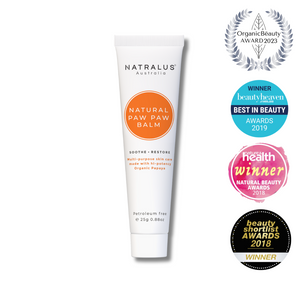
For families committed to clean, natural skincare for their babies, zinc oxide-based products like Natralus's nappy barrier cream—made with pharmaceutical-grade standards and naturally derived ingredients—offer trusted, everyday protection parents can rely on.
Your baby's delicate skin deserves care rooted in both nature and science. Zinc oxide delivers exactly that.
Medical Disclaimer
For educational purposes only. Consult your pharmacist or healthcare provider before introducing any new skincare product, particularly if your baby has active eczema, allergies, or sensitive skin conditions.
References
Cole C, et al. Metal oxide sunscreens protect skin by absorption, not by reflection or scattering. Wiley Journal of Pharmacy & Pharmacology. 2016. https://onlinelibrary.wiley.com/doi/10.1111/phpp.12214
Andrew PV, et al. Maintenance of an Acidic Skin Surface with a Novel Zinc Lactobionate Emollient Cream. PMC. 2024. https://pmc.ncbi.nlm.nih.gov/articles/PMC10891035/
Gupta M, et al. Zinc Therapy in Dermatology: A Review. PMC. 2014. https://pmc.ncbi.nlm.nih.gov/articles/PMC4120804/
ACS Nano. ZnO Nanoparticles as Potent Inducers of Dermal Immunosuppression. 2024. https://pubs.acs.org/doi/10.1021/acsnano.4c04270
Xiao D, et al. Zinc Oxide Nanoparticles for Skin Wound Healing. PMC. 2025. https://pmc.ncbi.nlm.nih.gov/articles/PMC12448027/
Barnard EC, et al. Support for the Safe Use of Zinc Oxide Nanoparticle Sunscreens. PubMed. 2019. https://pubmed.ncbi.nlm.nih.gov/30448212/
TGA. Australian Regulatory Guidelines for Sunscreens. https://www.tga.gov.au/sites/default/files/australian-regulatory-guidelines-for-sunscreens.pdf
TGA. Literature Review on the safety of titanium dioxide and zinc oxide nanoparticles in sunscreens. August 2016. https://www.tga.gov.au/sites/default/files/nanoparticles-sunscreens-review-_2016.pdf)
American Academy of Dermatology. Sunscreen FAQs. [https://www.aad.org/media/stats-sunscreen](https://www.aad.org/media/stats-sunscreen)
Gabros S, et al. Sunscreens and Photoprotection - StatPearls. NCBI/NIH. 2025. [https://www.ncbi.nlm.nih.gov/books/NBK537164/](https://www.ncbi.nlm.nih.gov/books/NBK537164/)